Blog
RSSThoughts on privacy, encryption, and why your personal data deserves better.
Encrypted Task Sync in 2026: Comparing Your Options
Which task apps can the server read? Todoist, Microsoft To Do, Apple Reminders, Google Tasks, EteSync, and SilentSuite on encryption and CalDAV VTODO.
 Tim Ross6 min read
How to Move from Google Calendar to an Encrypted Calendar
Export ICS from Google Calendar, keep the originals, import one calendar at a time, and verify before cutover. What standard ICS carries, and what it does not.
Tim Ross6 min read
SilentSuite vs Nextcloud Calendar: Operator Control vs End-to-End Encryption
Nextcloud gives you standards-based CalDAV and an open-source server, but its encryption does not protect calendar data from a compromised server.
Tim Ross6 min read
SilentSuite vs Microsoft Outlook Calendar: What the Server Can Read
Microsoft can read your Outlook event titles, notes, and guests, and the new Outlook copies calendars from other providers into its cloud. No CalDAV.
Tim Ross5 min read
SilentSuite vs Tuta Calendar: Encrypted, at the Cost of Interop
Tuta Calendar is end-to-end encrypted but has no CalDAV, and says so plainly. Compare what that costs against SilentSuite's local bridge approach.
Tim Ross5 min read
SilentSuite vs Proton Calendar: Two Answers to the CalDAV Problem
Proton encrypts event content but leaves timing and recurrence server-visible, and has no CalDAV. SilentSuite encrypts the whole item and bridges locally.
Tim Ross6 min read
Self-Hosted Calendar Operations Checklist: Backups and Restores
Pin the release, verify through DNS and TLS, back up all three parts, and prove restores. The operations runbook for a self-hosted SilentSuite server.
Tim Ross8 min read
How to Sync Calendars and Contacts on GrapheneOS Without Google
GrapheneOS separates apps and data per user profile. Put your calendar, contacts, and SilentSuite sync account in the right profile, with Google Play optional.
Tim Ross8 min read
CalDAV on Android: How Private Calendar Sync Works
CalDAV is a sync standard, not end-to-end encryption. Follow an event from server to Android Calendar Provider and see where the trust boundaries actually sit.
Tim Ross5 min read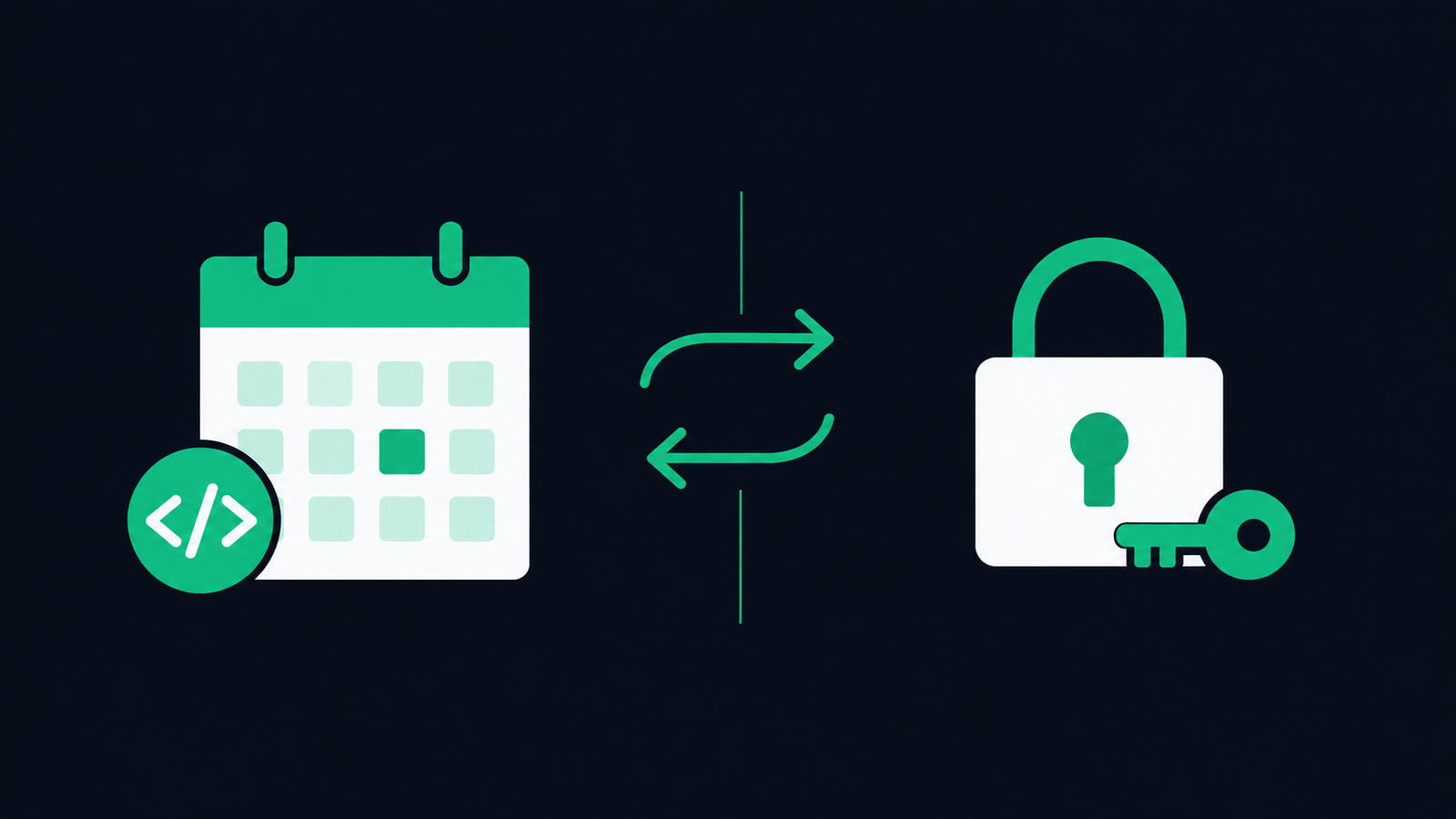
Open-Source Calendar App vs Encrypted Calendar Sync
The calendar app, the Android provider, the sync adapter, and the server are four separate layers. Only one of them decides what a server can read.
Tim Ross7 min read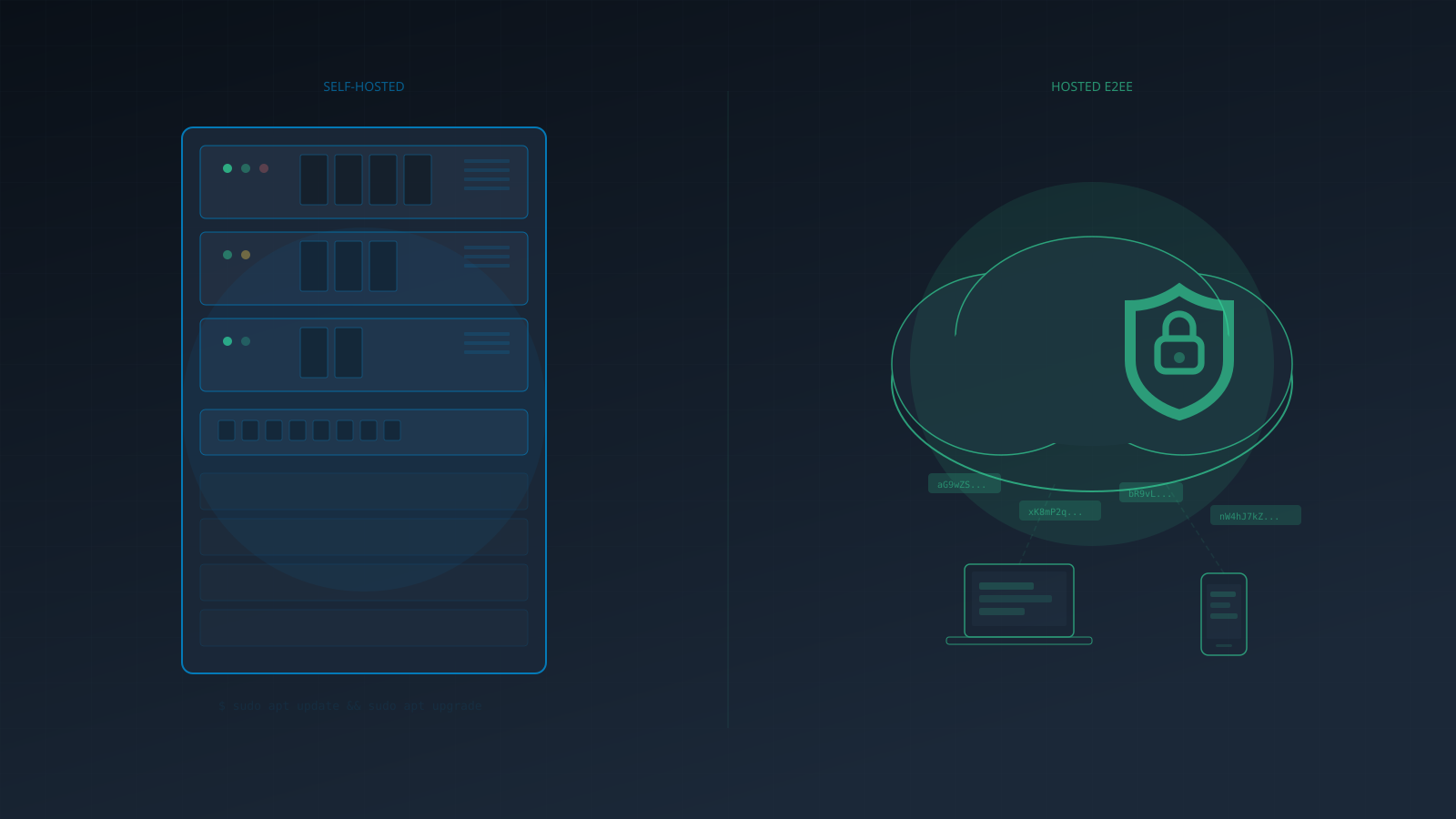
Self-Hosting vs Hosted: Which Private Calendar Setup Is Right for You?
Self-hosting controls the server; end-to-end encryption controls the data. Self-hosted CalDAV, hosted E2EE, and the hybrid setup compared on cost and effort.
Tim Ross6 min read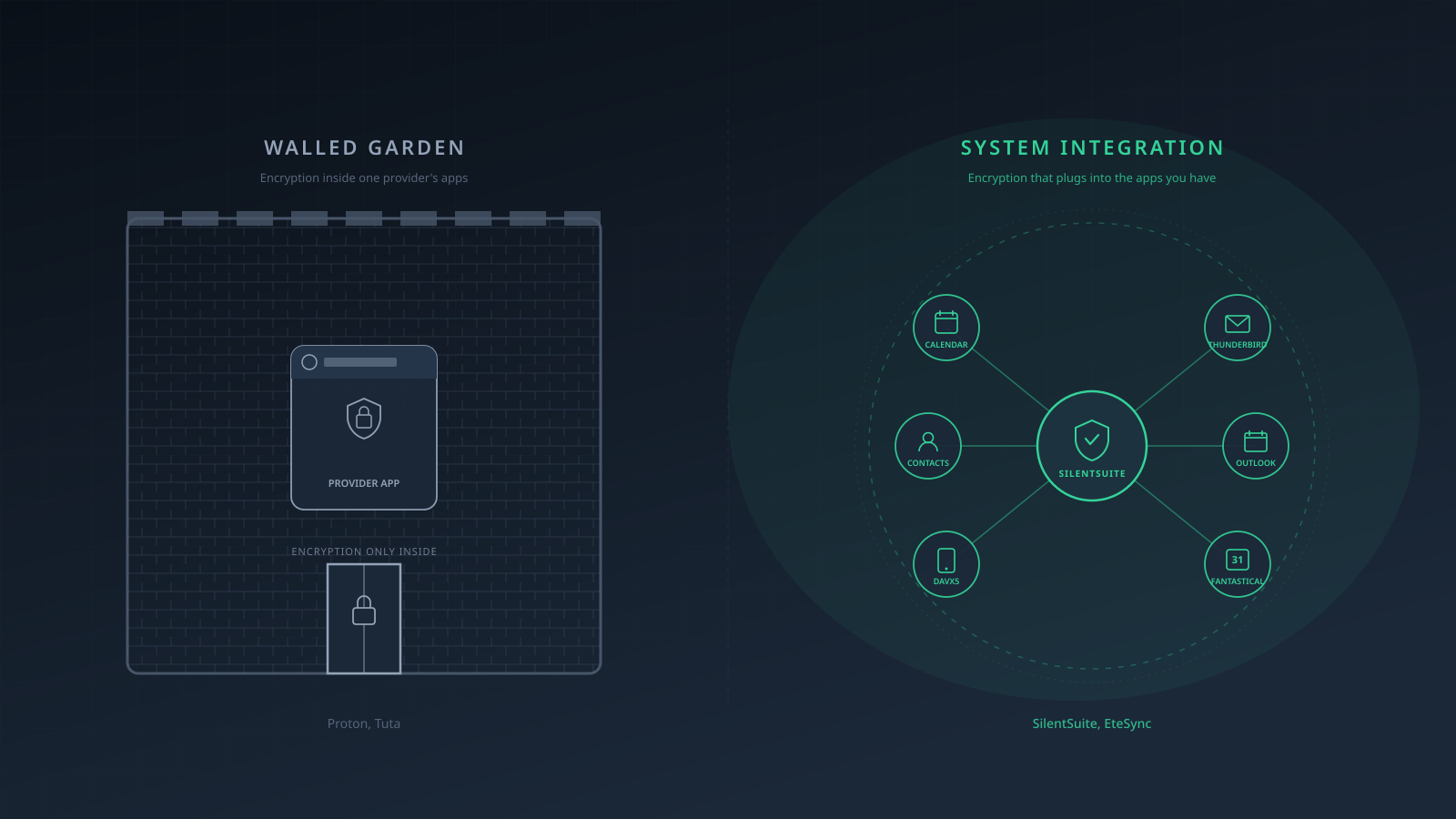
Walled Gardens vs System Integration: The Encrypted-PIM Trade-off
App-contained PIM limits third-party access; standards integration trades local exposure for convenience. How to choose based on your OS and the apps you use.
Tim Ross5 min read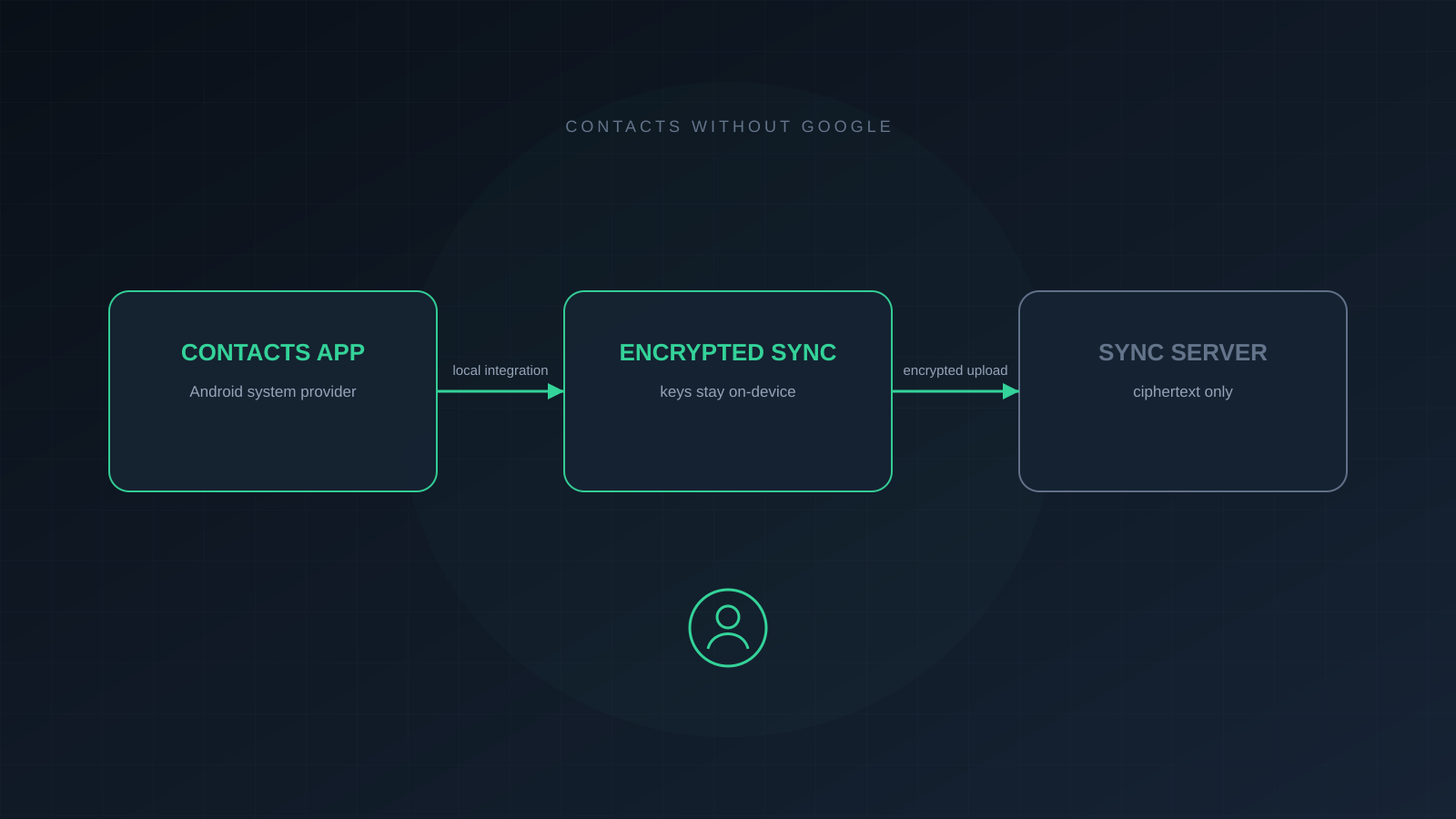
How to Sync Contacts on Android Without Google
Four ways to sync Android contacts without Google: local-only, CardDAV, Nextcloud, or encrypted sync. Only one keeps the server from reading them.
Tim Ross7 min read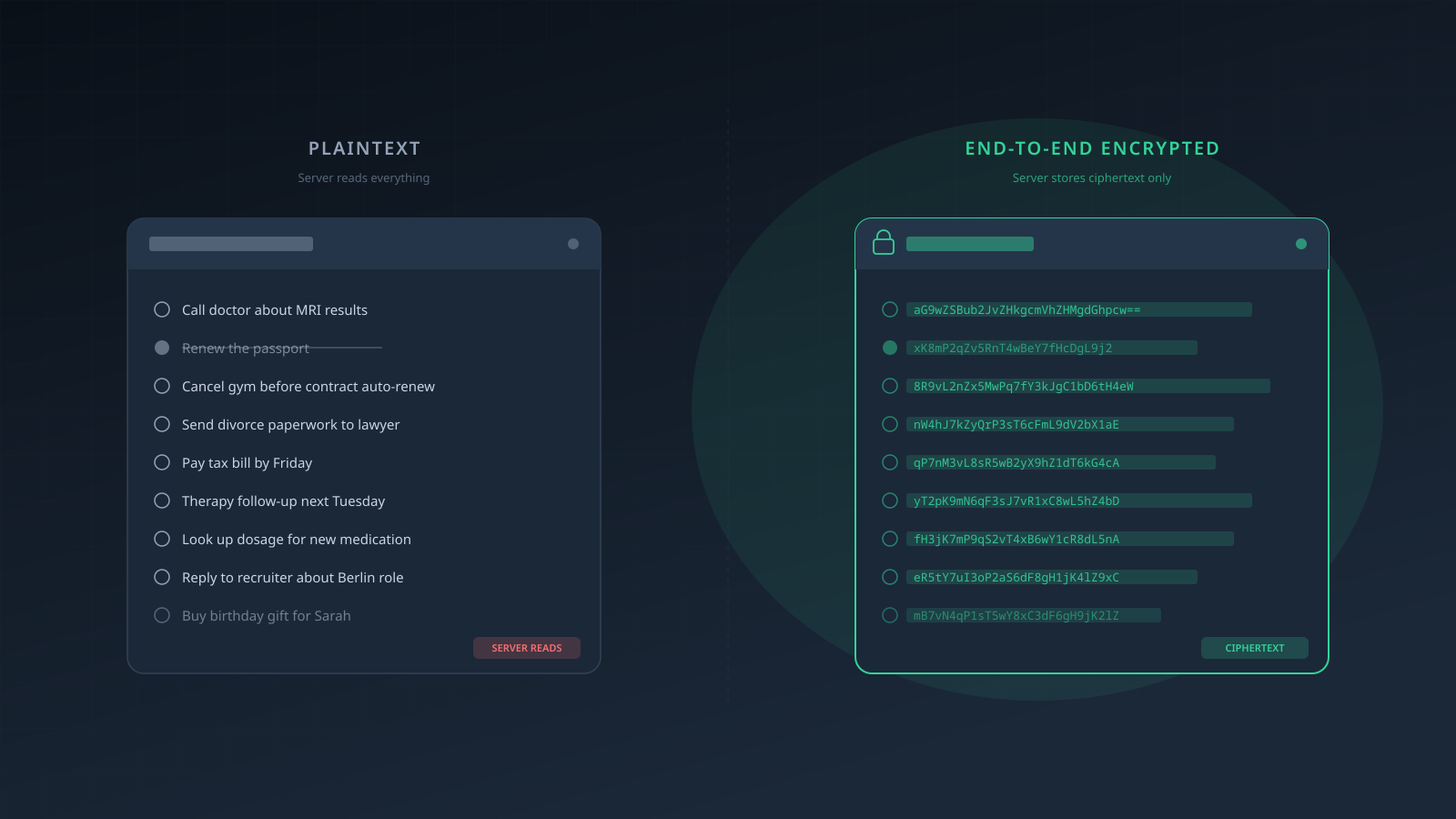
Encrypted To-Do Lists in 2026: Who Can Read Your Tasks?
Todoist, Microsoft To Do, and Google Tasks can all read your list. Which to-do apps are end-to-end encrypted in 2026, and what each provider can see.
Tim Ross5 min read
Encrypted Contact Sync in 2026: Comparing Your Options
Only Tuta, EteSync, and SilentSuite keep the server out of your contacts. A matrix of what each service reads, how contacts reach your phone, and key ownership.
Tim Ross6 min read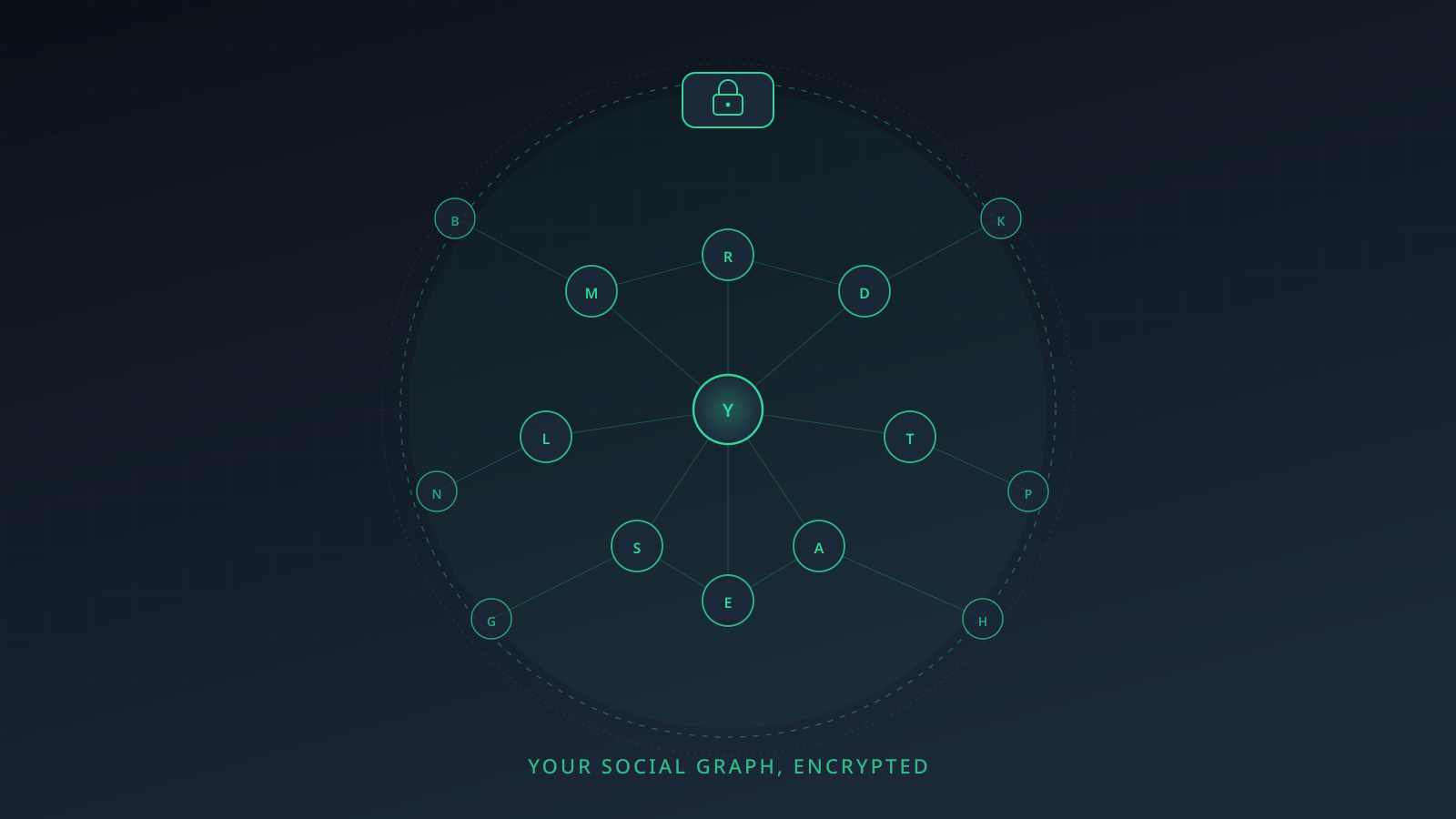
Encrypted Contacts in 2026: Your Address Book Is a Social Graph
Only three contacts services keep the server out of your address book. Google, iCloud, Proton, Tuta, Nextcloud, EteSync, and SilentSuite compared.
Tim Ross6 min read
SilentSuite vs Tuta Contacts: How Your Address Book Reaches Your Phone
Tuta syncs contacts to your phone through its own app; SilentSuite speaks CardDAV. Both keep the server out. Here is where they actually differ.
Tim Ross5 min read
SilentSuite vs Apple iCloud Calendar: What Advanced Data Protection Doesn't Cover
Apple's own security guide excludes Calendar, Contacts, and Mail from end-to-end encryption even with Advanced Data Protection on. Here is what that means.
Tim Ross5 min read
EteSync Fork, SilentSuite: What Was Forked, Rebuilt, and Kept Compatible
SilentSuite forked the Etebase server, EteSync for Android, and etesync-dav. What was inherited, what was built new, and what stays protocol-compatible.
Tim Ross8 min read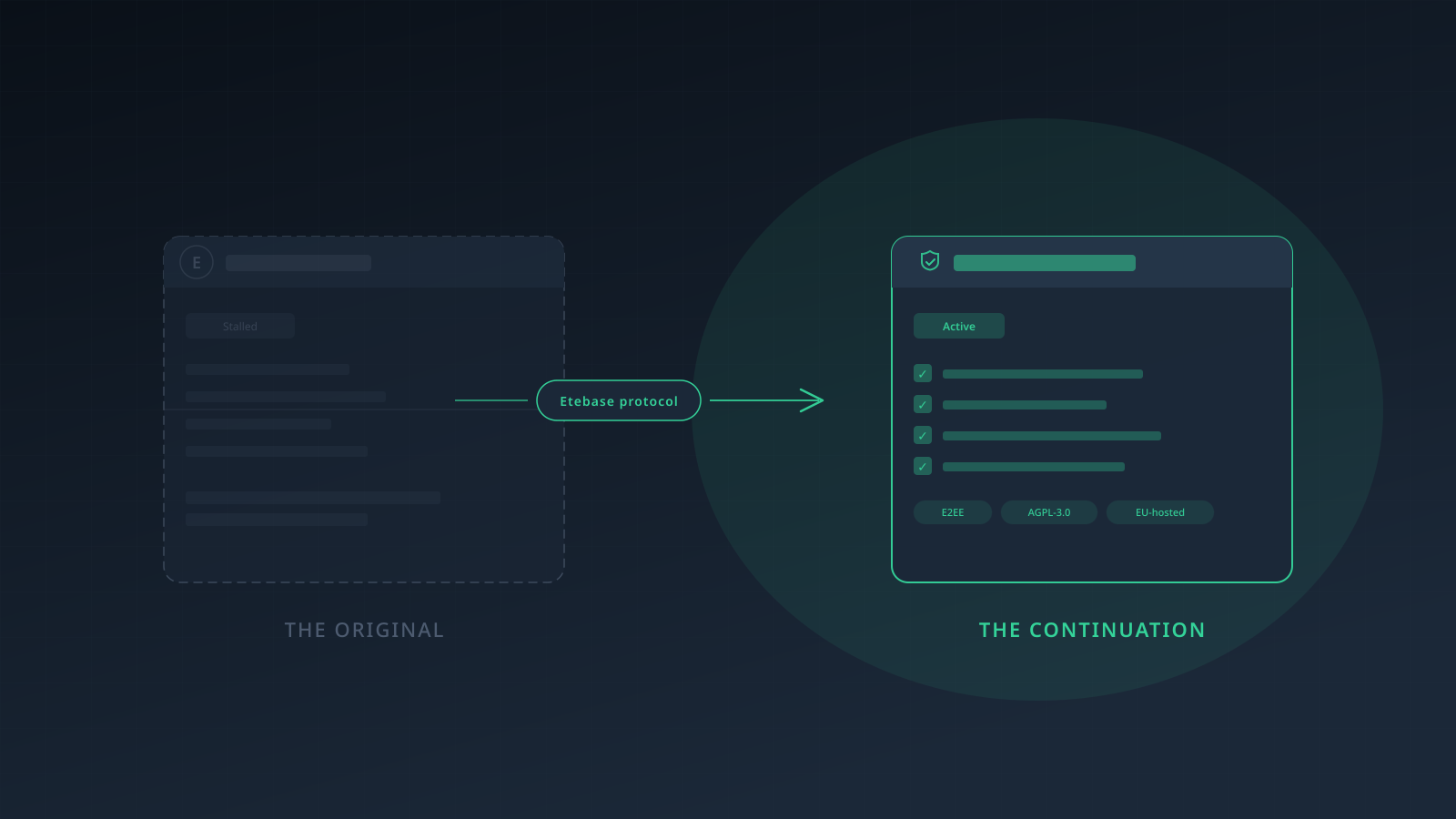
Looking for an EteSync Alternative? Meet SilentSuite
EteSync is mostly abandoned. SilentSuite continues the same Etebase protocol: what migrating involves, and which compatibility limits still apply.
Tim Ross5 min read
SilentSuite vs EteSync: The Same Protocol, Maintained
EteSync is mostly abandoned. SilentSuite runs the same Etebase protocol with an active release train across server, web, Android, and bridge.
Tim Ross6 min read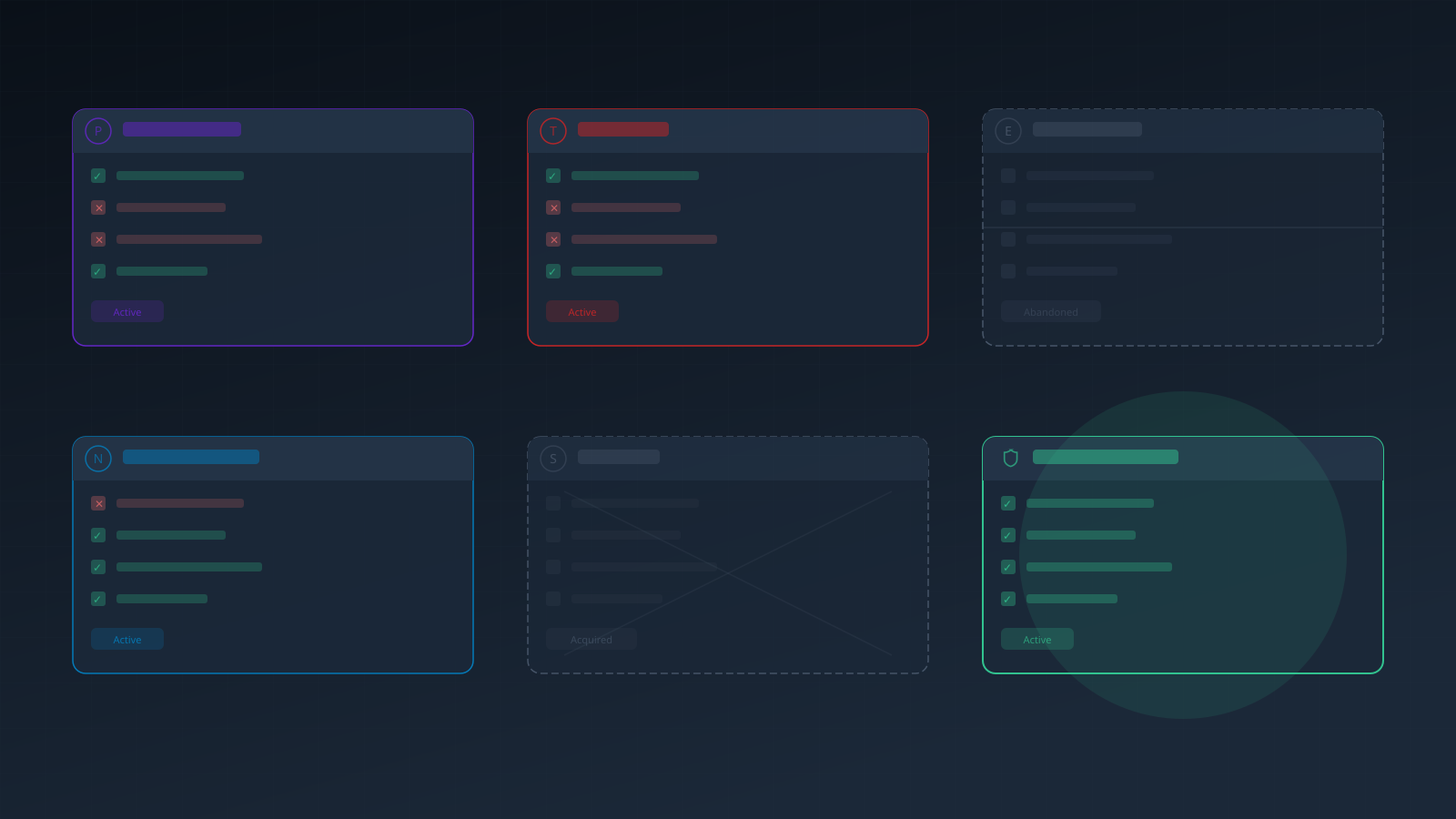
Encrypted Calendar Sync in 2026: Comparing Your Options
Proton, Tuta, EteSync, Nextcloud, and SilentSuite compared on E2EE, CalDAV, apps, and price. Only two encrypted options work with standard calendar apps.
Tim Ross7 min read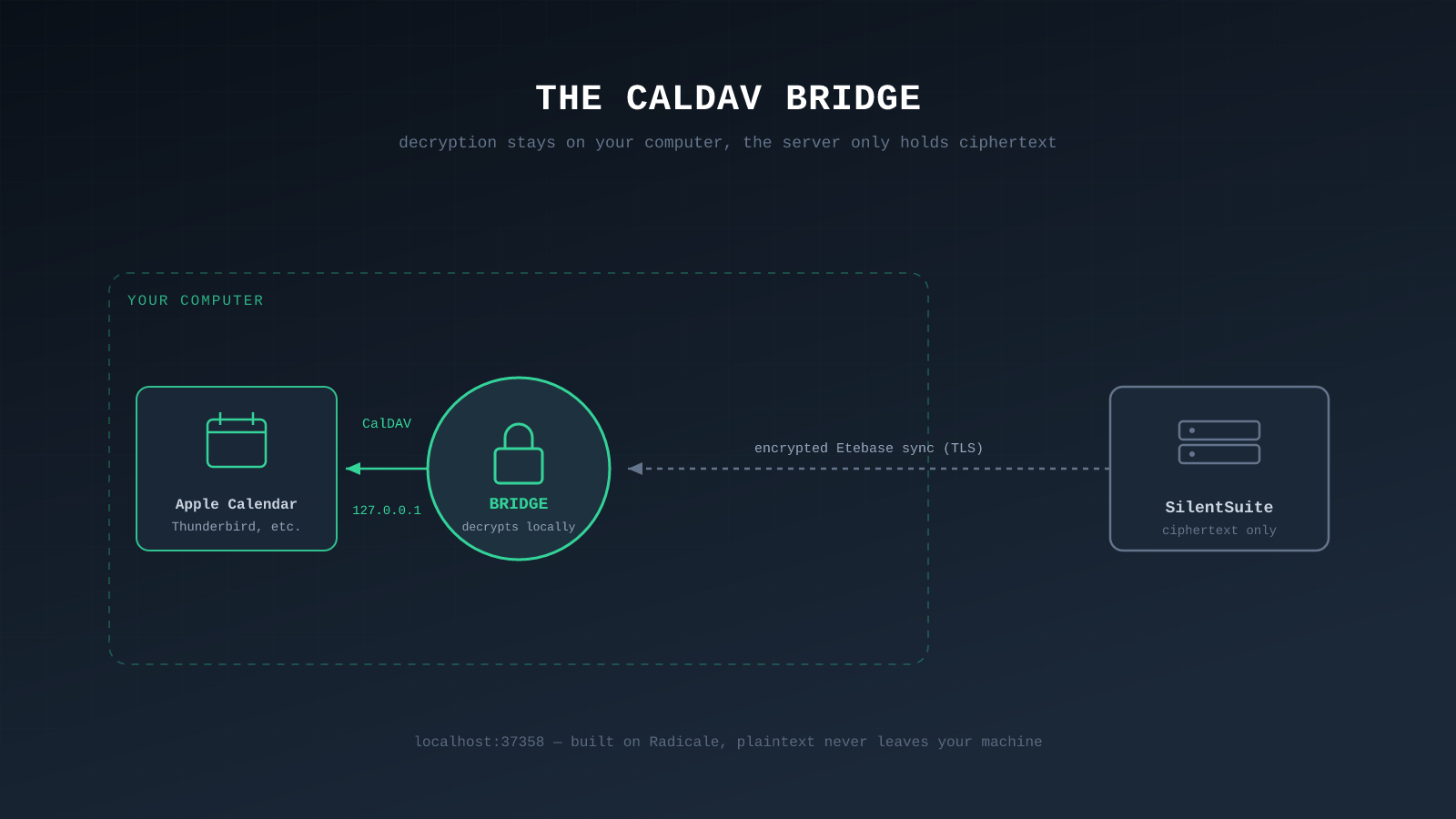
How the SilentSuite CalDAV Bridge Works Under the Hood
The SilentSuite Bridge is a local daemon: it decrypts on your machine and serves CalDAV and CardDAV over 127.0.0.1, so DAV clients never reach the server.
Tim Ross5 min read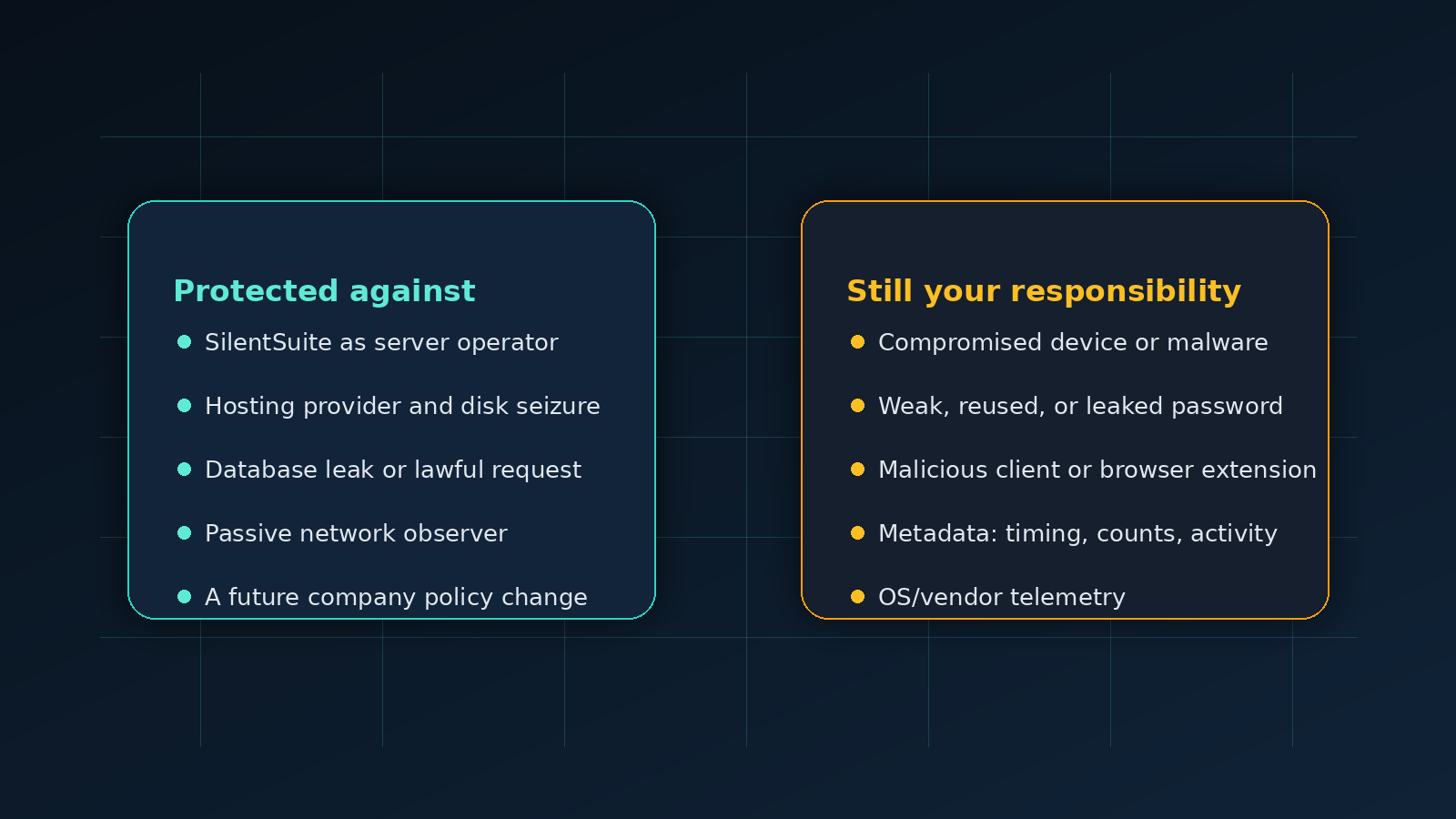
SilentSuite's Threat Model: Who It Protects You From, and Who It Doesn't
Who SilentSuite protects you from (server, host, network, and operator) and who it does not (compromised device, leaked password, or metadata).
Tim Ross6 min read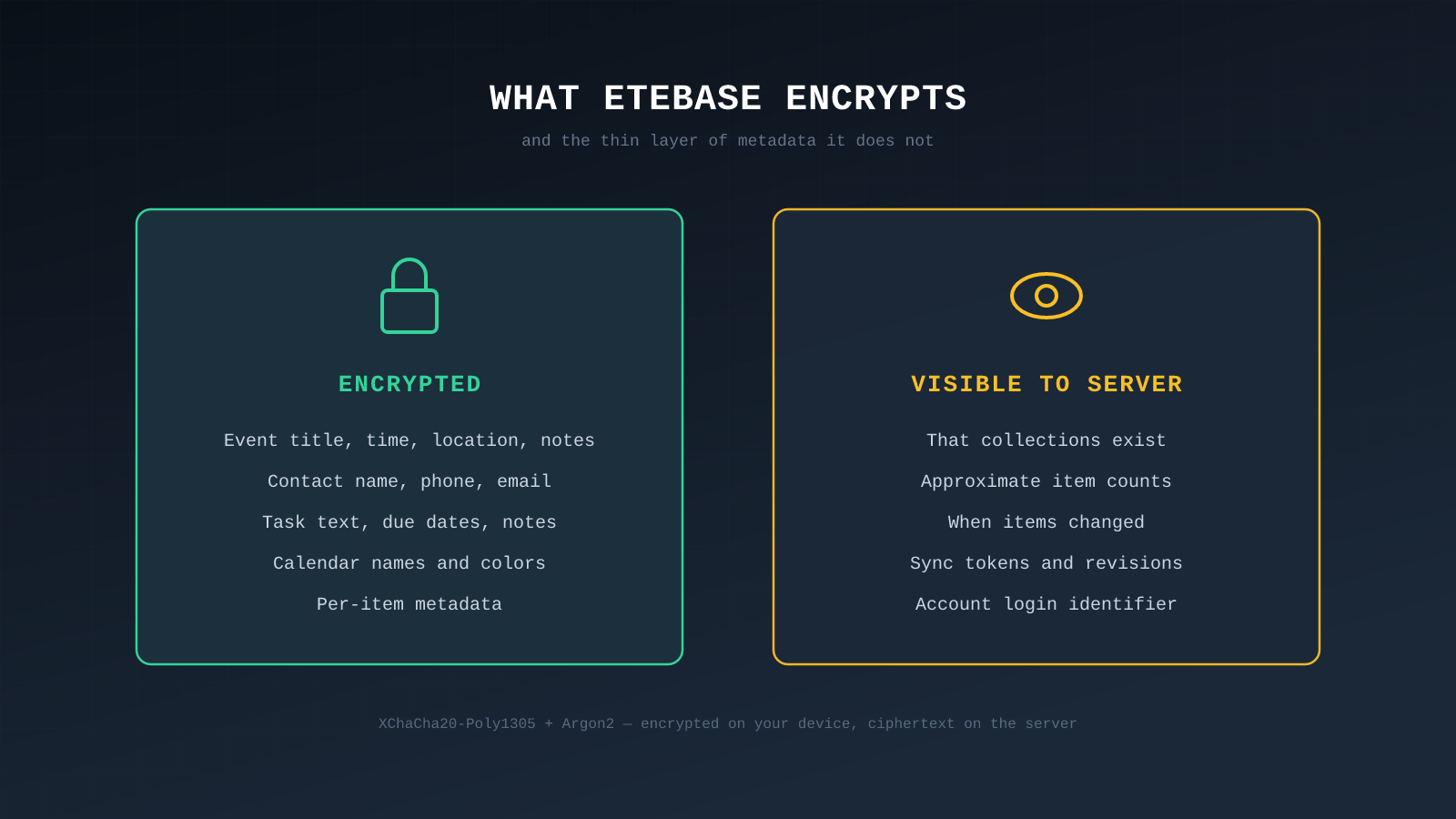
What Etebase Actually Encrypts (and What It Doesn't)
Field by field: which parts of your events, contacts, and collection names SilentSuite encrypts, and the metadata its server still needs to sync them.
Tim Ross5 min read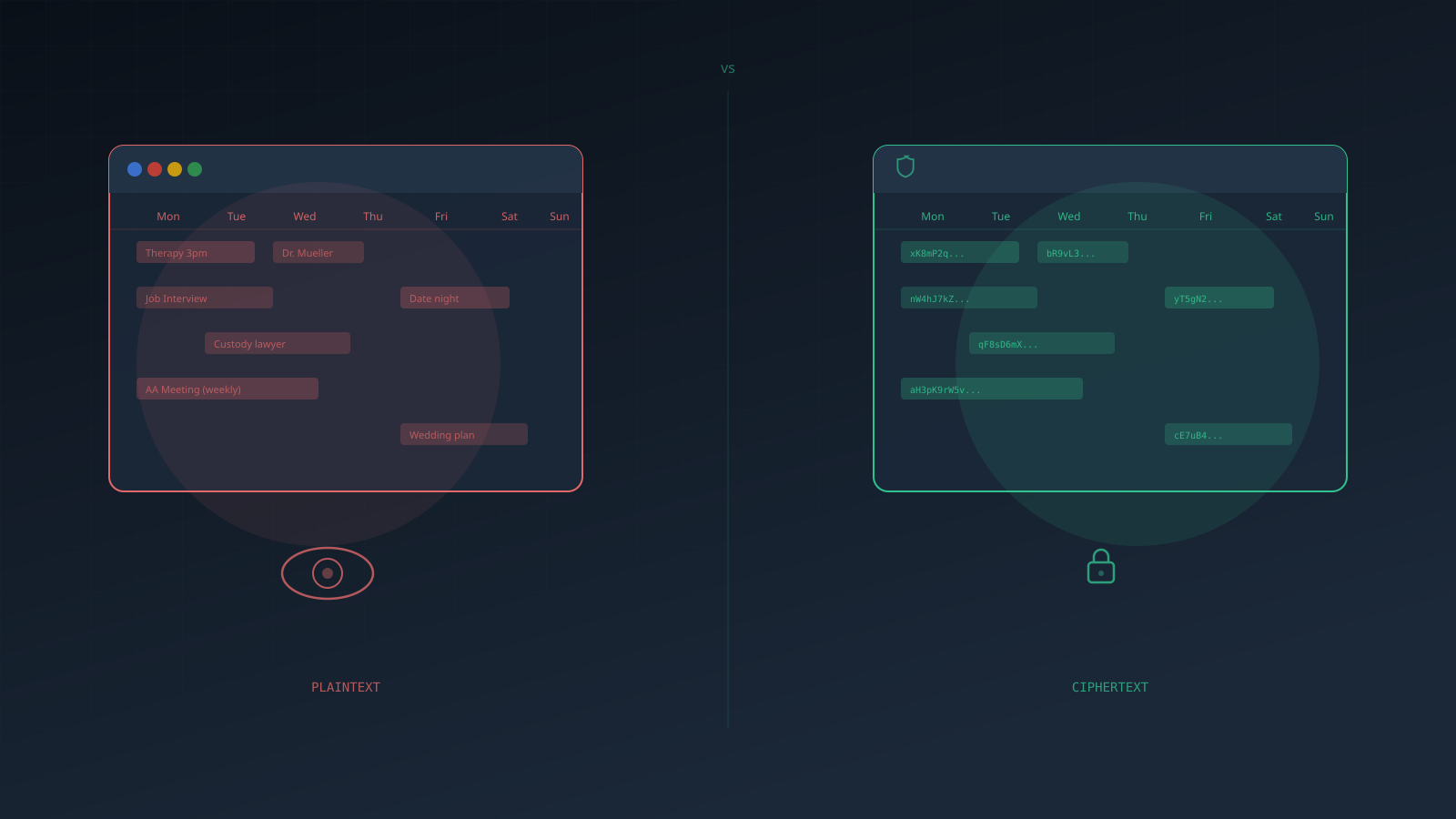
SilentSuite vs Google Calendar: What Google Knows About Your Schedule
Google Calendar reads your events in plaintext to power its features. SilentSuite encrypts them on your device first. What each server can actually see.
Tim Ross4 min read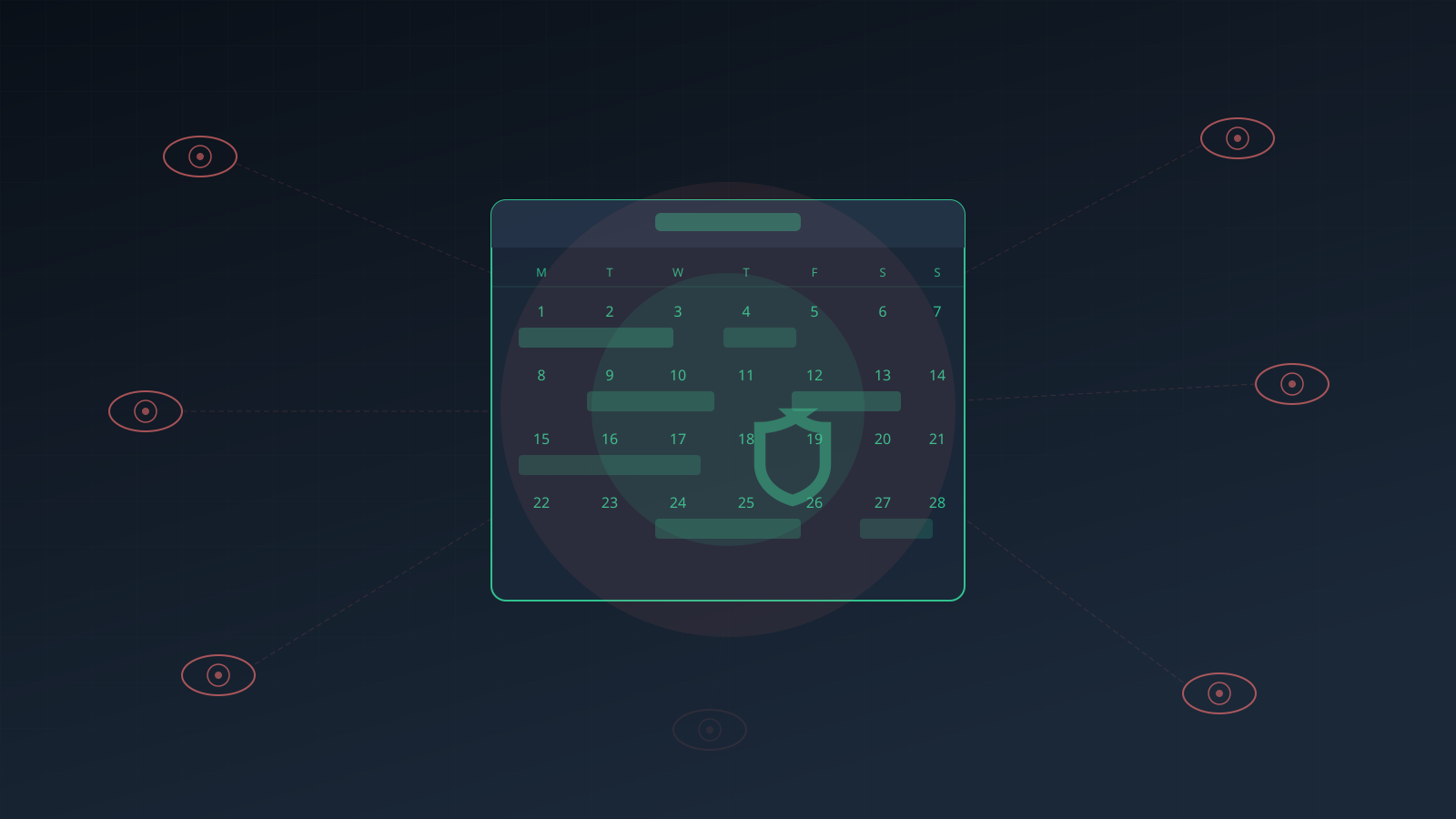
Who Can Read Your Calendar? A Privacy Guide for 2026
Google, Apple, and Microsoft can read your events. Proton, Tuta, and SilentSuite cannot. Seven calendar services compared on who holds the keys in 2026.
Tim Ross5 min read
Why I Started SilentSuite, an Encrypted Alternative to Google Calendar
SilentSuite is an open-source, end-to-end encrypted alternative to Google Calendar, Contacts, and Tasks. Why I started it, and what I chose not to build.
Tim Ross6 min read